Heatwaves in summer pose particular challenges not only for drivers but also for vehicles. Hot tarmac, fully loaded cars on holiday journeys, traffic jams and long motorway journeys can put additional strain on tyres. Bridgestone therefore offers practical tips on how motorists can stay safer on the road, even on hot days.
Particularly when temperatures reach 30 degrees or more, drivers should drink plenty of fluids and take regular breaks. Concentration and reaction times can deteriorate more quickly in extreme heat. Experts therefore recommend taking a break at least every two hours. Where possible, the car should also be parked in the shade to minimise the build-up of heat inside the vehicle.
However, in addition to the comfort of the driver and passengers, there are also a number of technical aspects to bear in mind in high temperatures. Tyres, in particular, are subjected to extra strain in summer. Bridgestone therefore recommends checking the following points before setting off on long journeys:
- Keep an eye on tyre pressure and load
Before long summer journeys, tyre pressure should be checked – ideally before setting off and whilst the tyres are cold. Particularly when travelling on holiday, it is important to bear in mind that vehicles are often more heavily laden than in everyday use. The additional load increases the strain on the tyres, making regular checks particularly important. Tyre pressure that is too low can further increase heat build-up and have a negative impact on tyre wear, driving stability and braking distance. Furthermore, vehicle manufacturers often provide different tyre pressure recommendations for loaded vehicles, which should be taken into account before setting off.
- Adjust your speed to the conditions
Hot road surfaces and high speeds cause the tyres to heat up further. The strain on the tyres increases significantly, particularly on long motorway journeys, when the vehicle is fully laden or when towing a trailer. Adjusting your speed and driving smoothly help to protect both the tyres and the vehicle.
- Check tyres for age and damage
High temperatures can exacerbate the effects of existing damage and signs of ageing. It is therefore advisable to carry out a visual inspection for cracks, bulges or embedded foreign objects before driving in hot weather. Older tyres in particular should be checked regularly, as the rubber compound loses its elasticity over time.
- Be prepared for sudden changes in the weather
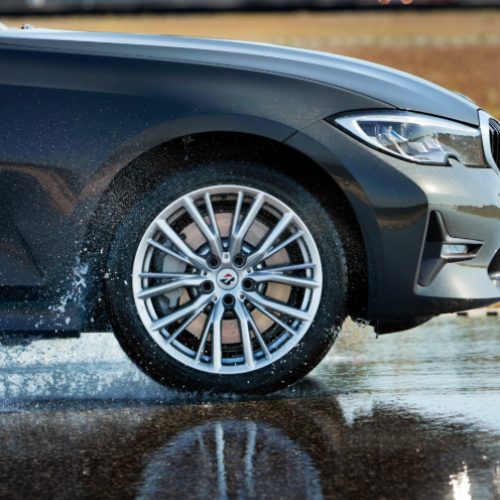
Heatwaves in summer are often interrupted by thunderstorms and heavy rain. The transition from hot tarmac to a wet road surface places high demands on tyres and drivers. Sufficient tread depth and high-performance summer tyres help to drain water away effectively and maintain control of the vehicle, even during sudden changes in the weather.
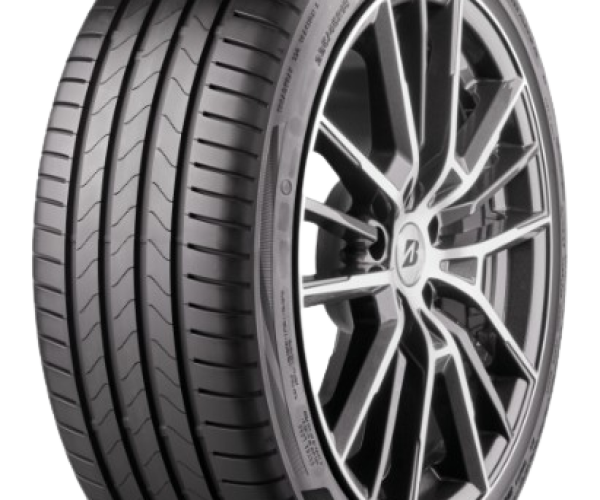
Premium summer tyres offer a high safety margin
Modern summer tyres are specially designed to meet the demands of summer driving. The Bridgestone Turanza 6 also impresses during sudden changes in the weather with excellent wet grip and short braking distances on wet roads. At the same time, this premium touring tyre offers a high level of driving comfort, improved mileage and optimised fuel and energy efficiency. This means that motorists can benefit from a high level of safety even in changeable summer weather and continue their summer journeys with peace of mind.
“The high temperatures we are currently experiencing in many parts of Europe pose particular challenges for drivers and vehicles. This makes it all the more important to pay special attention to road safety,” says Andy Mathias, Head of Marketing, North Europe. “With well-maintained tyres, regular checks and anticipatory driving, motorists can significantly improve their own safety and that of their passengers.”